


Many business owners think bookkeeping is mainly about staying organized and keeping the tax office happy. The reality is far more interesting. Behind every successful company, there is usually a financial story hidden inside the numbers, and bookkeeping Brisbane services often help bring that story into focus. Without accurate records, business owners can miss valuable information that could improve profits, cash flow, and long-term growth. Think of bookkeeping as the dashboard in your car. You can drive without checking it, but sooner or later, you’ll wish you had paid attention to those warning lights.
You Might Not Know Which Products Actually Make Money
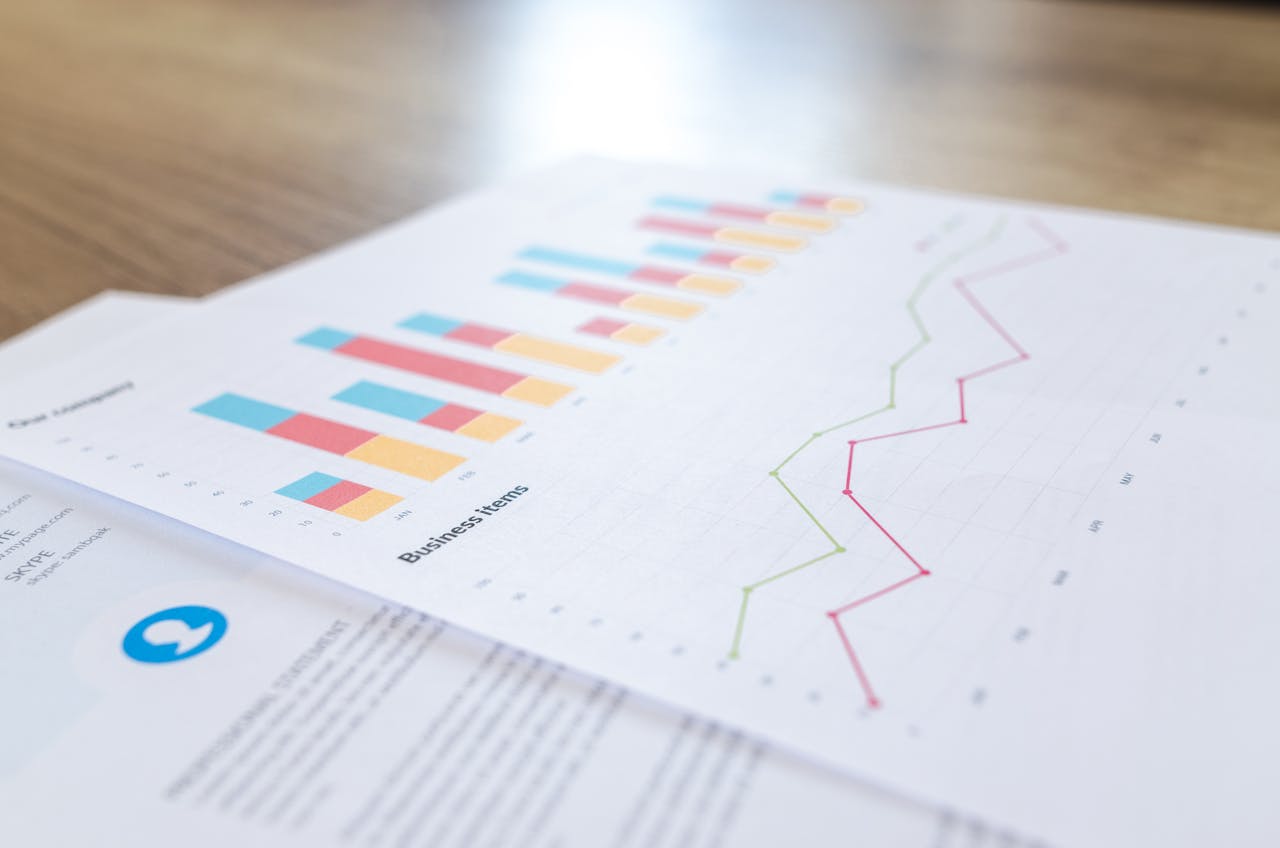
Revenue can be deceptive. A product that sells well may not necessarily generate strong profits. On the flip side, a less popular service might be producing excellent margins. Accurate bookkeeping helps separate revenue from profitability. It shows which products, services, or departments are contributing the most value. That insight helps businesses focus resources where they can generate stronger returns. Without detailed financial records, owners often rely on assumptions. Assumptions can be expensive. Reliable data provides a clearer picture of what is truly driving business success.
Cash Flow Problems Often Appear Before the Crisis
Many businesses don’t fail because they lack sales. They struggle because cash flow issues catch them by surprise. Money enters and leaves the business at different times, creating financial pressure that may not be obvious at first glance. Good bookkeeping provides visibility into payment cycles, recurring expenses, and outstanding invoices. This makes it easier to identify potential shortfalls before they become emergencies. Imagine seeing a storm on the horizon instead of standing in the rain, wondering what happened. Financial forecasting becomes much easier when bookkeeping records remain current and accurate.
Expense Trends Can Reveal Hidden Leaks
Small expenses rarely attract attention. A software subscription here. A supplier increases their. Individually, they seem harmless. Together, they can quietly drain profitability. Regular financial reporting highlights spending patterns that might otherwise go unnoticed. Business owners can identify rising costs, unnecessary expenses, and areas where savings may be available. This process is similar to checking for a dripping tap. One drop seems insignificant. Thousands of drops over time create a much bigger problem. Bookkeeping helps locate those financial leaks before they become costly.
Growth Opportunities Become Easier to Spot

Running a business requires constant attention. Yet focusing only on day-to-day activity can make larger opportunities harder to see. Accurate records reveal performance trends over months and years. Revenue growth, seasonal patterns, and customer demand become easier to analyze. These insights help businesses plan expansion with greater confidence. Instead of guessing when to hire staff, launch a new service, or invest in equipment, owners can make decisions supported by financial evidence. That reduces risk and improves planning.
You Gain a Clearer Picture of Business Health
One of the most valuable benefits of professional bookkeeping is clarity. Business owners often know they are busy. They know customers are purchasing. What they may not know is how financially healthy the business truly is. Financial reports provide answers. They show profitability, cash position, liabilities, and operational performance. These metrics help owners evaluate progress without relying on gut instinct alone. Professional bookkeepers also help maintain consistency in reporting. That means decision-makers can trust the information they receive.
Better information often leads to better outcomes. Strong bookkeeping does much more than record transactions. It transforms raw financial data into meaningful business intelligence. When financial information is organised properly, owners gain a clearer understanding of where the business stands today and where it can go tomorrow.